
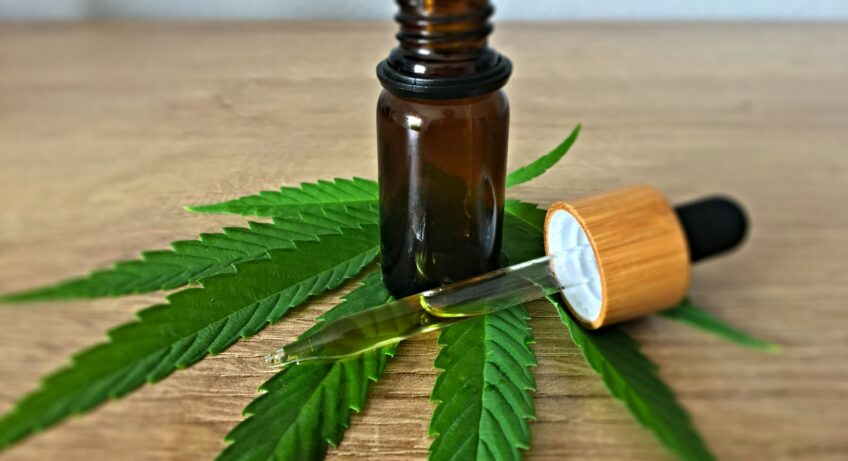
Cannabidiol, better known as CBD, has sparked growing interest in the medical community for its potential role in treating seizures and epilepsy. Unlike THC, CBD is non-psychoactive, meaning it does not cause a “high,” but it interacts with the body’s endocannabinoid system in ways that influence neurological activity. In recent years, CBD has moved from being a wellness trend to a scientifically recognized therapy, particularly after the approval of Epidiolex, the first FDA-approved CBD-based medication for epilepsy. As research continues to expand, the future of CBD in seizure and epilepsy treatment looks both promising and transformative.
Studies have shown that CBD can significantly reduce seizure frequency in patients with severe forms of epilepsy, such as Dravet syndrome and Lennox-Gastaut syndrome. These are conditions where traditional anti-seizure medications often fail to provide adequate relief. By targeting brain receptors linked to excitability and inflammation, CBD offers a novel mechanism that complements or enhances existing treatments. For many patients, this represents new hope in managing seizures that previously disrupted their daily lives.
Growing Acceptance in the Medical Community
While initial skepticism surrounded cannabis-derived treatments, the growing body of scientific evidence has encouraged greater acceptance of CBD within medical practice. Neurologists are increasingly considering CBD as part of treatment plans, particularly for patients who do not respond to conventional medications. As more clinical trials confirm its safety and efficacy, the medical community is expected to embrace CBD more widely, paving the way for its integration into mainstream epilepsy care.
Potential Beyond Rare Epilepsy Syndromes
Currently, much of the research on CBD focuses on rare and treatment-resistant epilepsy syndromes. However, ongoing studies are exploring whether CBD could benefit patients with more common forms of epilepsy. If successful, this could dramatically expand its therapeutic reach, helping millions of people worldwide who struggle with seizure management. The possibility of CBD becoming a first-line or supplementary treatment in broader cases of epilepsy is one of the most anticipated developments in the field.
Challenges and Considerations Ahead
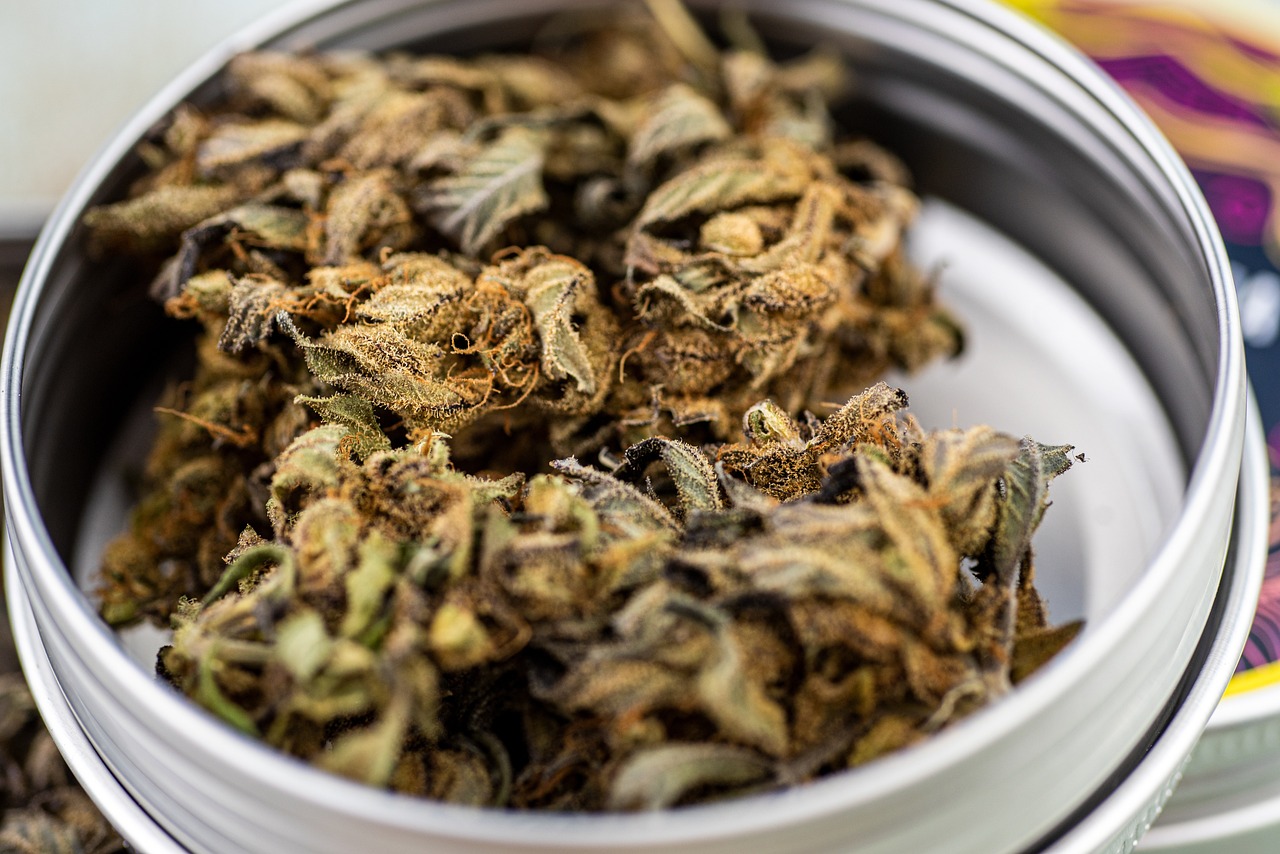
Despite its potential, CBD is not without challenges. Dosage, formulation, and interactions with other medications remain key concerns. Some patients experience side effects such as fatigue or gastrointestinal issues, and long-term effects are still under study. Moreover, the lack of standardization across CBD products raises questions about consistency and safety outside regulated pharmaceuticals like Epidiolex. Addressing these concerns through rigorous research and regulation will be critical for CBD’s future in epilepsy treatment.
The Path Forward
The future of CBD in seizure and epilepsy treatment is likely to involve continued advancements in research, tighter regulation, and more precise formulations. With biotechnology and pharmaceutical companies investing heavily in cannabinoid-based therapies, patients can expect more refined and targeted options in the coming years. This progress not only offers hope for better seizure control but also for improved quality of life among patients and families affected by epilepsy.
CBD is redefining the landscape of seizure and epilepsy treatment by offering a promising alternative when traditional medications fall short. With proven benefits in reducing seizures, growing medical acceptance, and expanding areas of research, its future looks bright. Challenges remain, but with proper scientific exploration and regulation, CBD could become a cornerstone of epilepsy treatment worldwide. As understanding deepens, patients stand to gain safer, more effective, and more accessible solutions for managing seizures.…
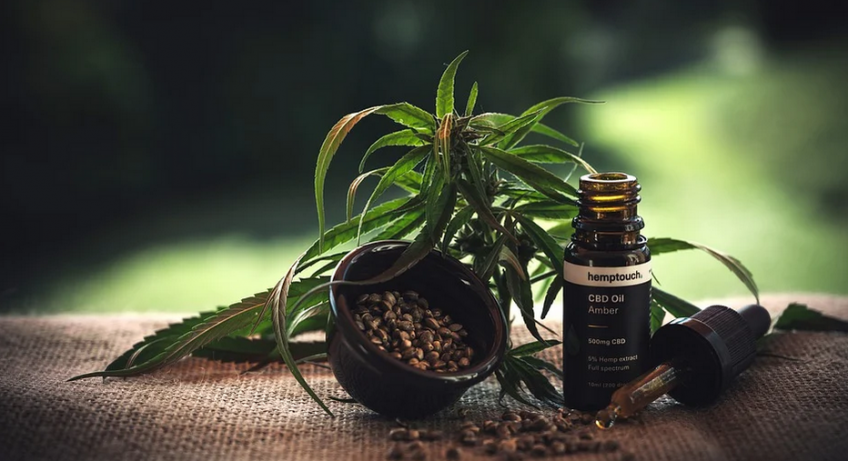
 Besides ingesting CBD , it can also be applied on the skin, especially for skin problems. However, for anxiety, it is mostly consumed as
  The quantity of CBD products used for anxiety depends on the body weight, the condition’s seriousness, other drugs you are using, and the CBD oil potency. Since different individuals respond differently to CBD, there is no one-size-fits-all dose. To find the right dose for you, you need to determine a baseline dosage first, based on some factors, then increase the quantity gradually with time until you find the amount that works best for you.…