
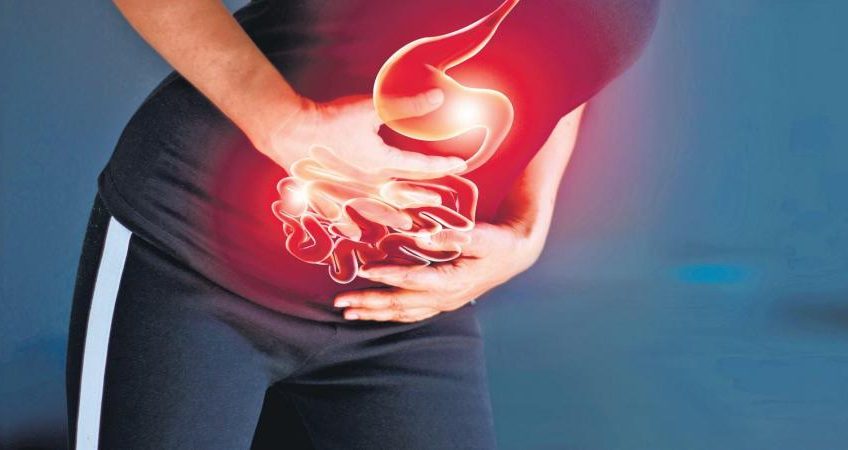
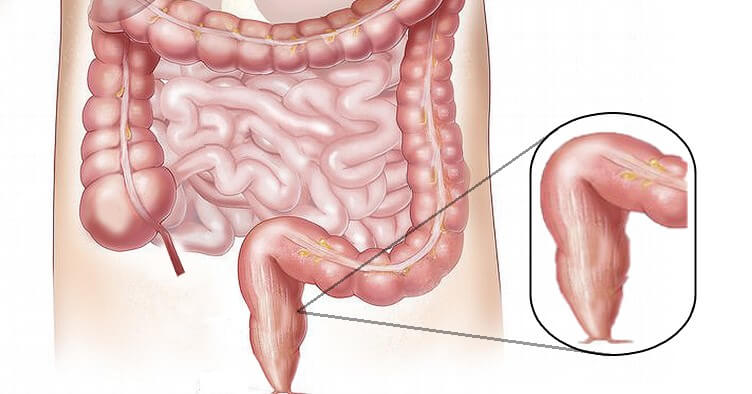
Studies over the past years have linked gut health with cancer, autoimmune diseases, skin conditions, immune system, mood, and mental health. The colon plays an important role in absorbing water, salts, and vitamins from indigestible food matter.
Some common colon pain symptoms are bloating, diarrhea, cramping, abdominal pain, skin irritation, and fatigue. In worst case scenario you might need to get a colon surgery to get well. Here are some signs of a bad colon:
Food Intolerances
This occurs when the body can’t digest certain foods possibly due to the immune system usually reacting to some foods. It is said that food intolerances are caused by bad quality bacteria in the gut. Foods linked to intolerance include, milk, gluten, sulfite, and fructose.
The most common symptoms of food intolerances are, diarrhea, excess gas, bloating, migraine, headaches, runny nose, and stomach pain. The amount of food someone eats determines the severity of the symptoms.
Food intolerance can also be caused by additives that enhance flavor and make foods look appealing. The diagnosis for food allergies and food intolerances are almost similar and it might be complicated if someone has more than one food intolerance. However, certain patterns in the symptom help the doctor to distinguish the two.
Skin Irritation
A damaged colon can cause skin conditions such as eczema. Poor diet or food allergies cause inflammation of the gut which triggers the leaking of proteins out in the body. This in return leads to severe irritation of the skin which poses a risk of getting eczema.
Bacterial imbalances in the gut caused by inflammatory conditions such as irritable bowel syndrome, diarrhea, and constipation affect the other parts of the body. Overgrowth of bacteria in the colon is also linked to acne and skin irritation. It is said that the skin is the largest organ and greatly reacts to inflammatory cytokines resulting in various skin diseases.
Weight Changes
Unintentional weight gain or weight loss without altering your diet is an indication of a bad colon. Weight gain can be caused by an imbalanced gut which interferes with the ability to absorb nutrients, store fat and regulate blood sugar.
Small intestinal bacterial overgrowth (SIBO) causes weight loss. Insulin resistance and the urge of the body to overreact due to decreased absorption of nutrients can cause weight gain. Gut bacteria influence how different foods are digested and absorbed also produce chemicals that make you feel full.
Fatigue And Sleep Disturbance
Insomnia and poor sleep might be a result of a bad colon. If the problem is not addressed, it can lead to chronic fatigue. Serotonin, a hormone that affects mood and sleep, is produced in the gut. Hence, damage to the colon affects your ability to have good sleep.…
 What do you aim to achieve with this project? Before deciding to lose weight, you have to identify the goals you want to achieve. Knowing what you want by the end of your adventure helps you stay focused on the project, giving no room for mediocrity.
 Not everyone takes this point seriously, but diet is a significant component in weight loss. As much as you can be doing everything right, maintaining an inappropriate diet can quickly ruin your gains. Overweight and obesity issues are mostly the result of unhealthy food and improper eating habits. To achieve your target, avoid eating junk meals and consider a balanced diet at all times.
 This is one of the most common misconceptions about weight loss. Most people tend to associate weight loss with fat loss without knowing that you can shed a few pounds without actually losing fats. The few pounds lost can be due to losing the extra water found in tissues, joints, cells, and body cavities.